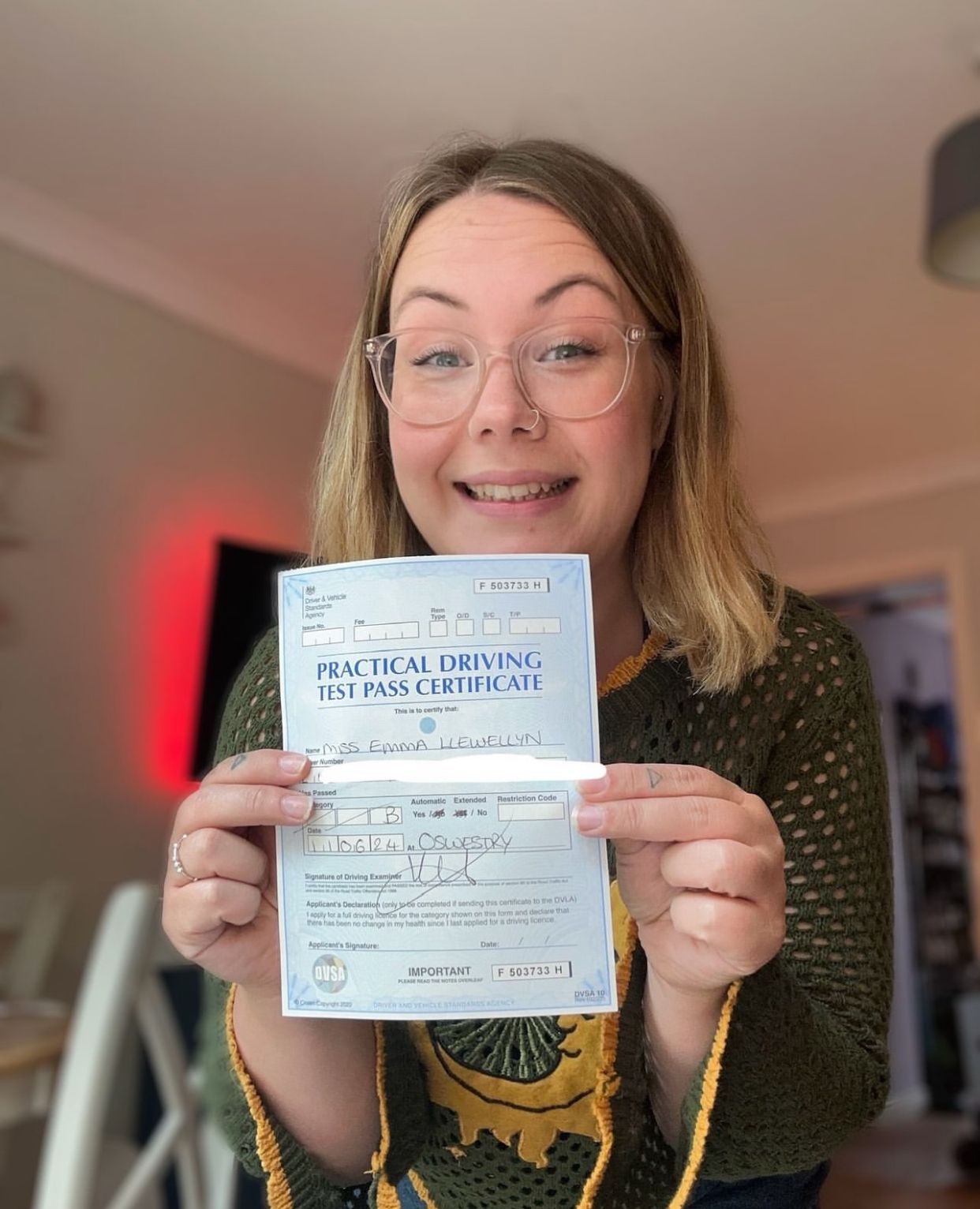
Understanding the Licensing System in the UK: A Comprehensive Guide
The licensing system in the United Kingdom is a complex structure developed to manage numerous activities, from driving to operating a service. It is essential for individuals and companies to navigate this landscape successfully, as licenses are typically needed to ensure safety, compliance, and reasonable practice. This short article aims to supply an in-depth understanding of the licensing system in the UK, covering different types of licenses, the application procedure, and frequently asked questions.
Kinds of Licenses in the UK
The UK licensing system encompasses a large series of licenses, accommodating various sectors and activities. Below are some of the most typical types of licenses:
1. Driving Licenses
- Complete UK Driving License: Required for individuals to legally drive on public roadways.
- Provisional License: Allows students to drive under guidance while preparing for their driving test.
- Taxicab and Private Hire Licenses: Required for drivers of taxis and personal hire automobiles to ensure they fulfill security and professional standards.
2. Company Licenses
- Alcohol and Entertainment Licenses: Required for establishments that offer alcohol or provide entertainment.
- Food Business Registration: Mandates any company that prepares or offers food to register with regional authorities.
- Environmental Permits: Needed for services that might affect the environment, such as waste disposal and emissions.
3. Professional Licenses
- Medical Licenses: Necessary for doctor to practice and supply healthcare services.
- Lawyer and Barrister Licenses: Required for legal professionals to offer legal representation.
4. Other Licenses
- Event and Festival Licenses: Required for hosting occasions that might attract big crowds or posture public security risks.
- Drone and Aviation Licenses: Necessary for people or companies using drones for business purposes.
The Application Process
Obtaining a license in the UK usually includes an organized application process. While the specifics might vary based on the kind of license, the following basic steps can offer a guideline:
1. Determine the Required License:
Identify which license is necessary for the intended activity. This may involve speaking with official resources or local authorities.
2. Gather Required Documentation:
Prepare all necessary files, which may consist of recognition, evidence of qualifications, or service information.
3. Submit the Application:
Complete the application-- this could be online or by means of postal service-- and submit it in addition to the required documentation.
4. Payment of Fees:
Most licenses include associated costs, which need to be paid upon application.
5. Await Processing and Inspection:
Authorities might examine the application and carry out evaluations where appropriate. Processing times can vary extensively.
6. Receive the License:
Upon approval, the applicant will get their license, which may stand for a specified duration, requiring renewal thereafter.
Maintaining Compliance
Licenses frequently feature specific obligations that should be followed in order to maintain compliance. Failing to fulfill these conditions can result in charges, including fines or revocation of the license. Here are some common requirements to consider:
- Regular Renewals: Most licenses need regular renewal. Monitoring expiration dates is necessary.
- Record Keeping: Many licenses necessitate detailed records, whether for financial information, customer interactions, or security audits.
- Compulsory Training: Certain occupations demand ongoing professional development and training to stay compliant.
Often Asked Questions (FAQs)
1. How long does it take to get a UK driving license?
The timeframe for obtaining a driving license can differ. For a provisionary license, processing generally takes about three weeks. A complete license might take a number of months depending upon the waiting times for driving tests and other factors.
2. What happens if I drive without a valid license?
Driving without a legitimate license can result in substantial fines, points on your driving record, and possible criminal charges, which can cause a driving restriction or jail time in extreme cases.
3. Can I request numerous licenses concurrently?
Yes, people can get multiple licenses at the same time; nevertheless, each application will be examined independently based upon its requirements and compliance policies.
4. Are there any exemptions to licensing requirements?
Particular activities might have exemptions; for example, volunteer drivers might not require a taxi license under specific conditions. betsybriggs.top is best to seek advice from local policies or legal suggestions.
5. What should I do if my license is lost or taken?
If a license is lost or stolen, it ought to be reported to the relevant authorities at the earliest opportunity. Applicants can then apply for a replacement through the appropriate channels.
Browsing the UK licensing system is essential for anyone wanting to take part in activities that require lawful operation, from driving an automobile to running a service. Understanding the various licenses offered, the application procedures, and compliance commitments can help individuals and companies alike in attaining their objectives while sticking to legal requirements. Whether looking for a driving license or a company authorization, it is fundamental to remain informed about the constant changes in regulations and requirements.